Small businesses are increasingly becoming targets for cyberattacks. Many business owners assume they are too small to be noticed, but in reality, attackers often focus on smaller companies because they typically have fewer security measures in place.
Understanding how these attacks happen is the first step toward protecting your business, your data, and your customers.
Common Ways Small Businesses Get Hacked
Phishing Attacks
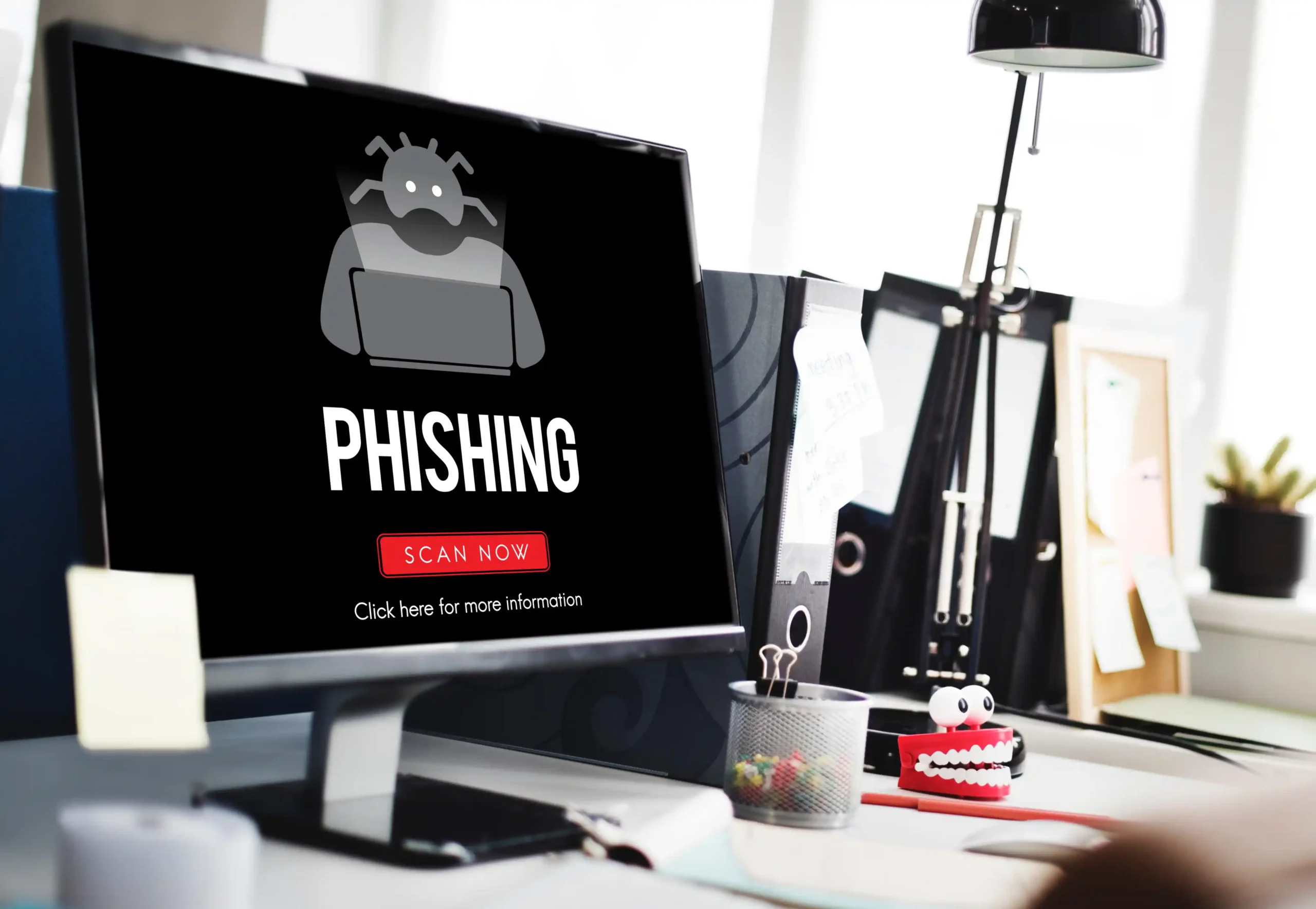
Phishing is one of the most common methods used by hackers. Employees receive emails that appear legitimate but are designed to trick them into clicking malicious links or sharing sensitive information.
Once access is gained, attackers can compromise email accounts, steal data, or spread malware across the network.
Weak Passwords
Using simple or repeated passwords across systems makes it easy for hackers to gain access. Many breaches occur because of weak login credentials.
Without proper password policies or multi-factor authentication, your systems become vulnerable to unauthorized access.
Outdated Software
Software that is not regularly updated can contain security vulnerabilities. Hackers exploit these weaknesses to gain entry into systems.
Regular updates and patch management are critical to keeping your systems secure.
Unsecured Networks
Poorly configured networks or lack of proper security controls can expose your business to threats.
Hackers can access sensitive data through unsecured Wi-Fi, open ports, or outdated firewall configurations.
Lack of Employee Training
Employees are often the first line of defense, but without proper training, they can unknowingly cause security breaches.
Clicking on suspicious links or downloading unsafe files can open the door to cyberattacks.
Key Takeaways
Small businesses are common targets for hackers, often due to simple vulnerabilities like weak passwords, outdated software, or lack of security measures. Many cyberattacks can be prevented with better employee awareness and basic security practices. Taking a proactive approach to IT management and cybersecurity is essential to protect your business, data, and daily operations.